
The Ultimate Guide to Hearing Aid Batteries: Tips, DOs and DON'Ts


Hearing aid batteries might be small, but they play a huge role in keeping you connected. Knowing how to handle, store and maintain your batteries can make a huge difference in performance and longevity. In this guide, we'll cover everything from the 5-minute activation rule to safe disposal, storage tips and fun facts.
Why Proper Battery Handling Matters
Hearing aid batteries are sensitive to moisture, oils, dirt and improper storage. Mishandling them can lead to corrosion, reduced charge or even complete failure. Following some simple tips can help your batteries to last longer, and keep your hearing aids working reliably.
The 5 Minute Rule for Zinc-Air Batteries
Zinc-air batteries (the most common type of hearing aid battery) need a little air to get going.
- Step 1: Remove the protective tab. This allows air to enter the battery and activate it.
- Step 2: Wait around 5 minutes before inserting the battery into your hearing aid.
This simple step can improve battery performance and ensure your hearing aid is working at its best.
Fun Fact: Bouncing Batteries
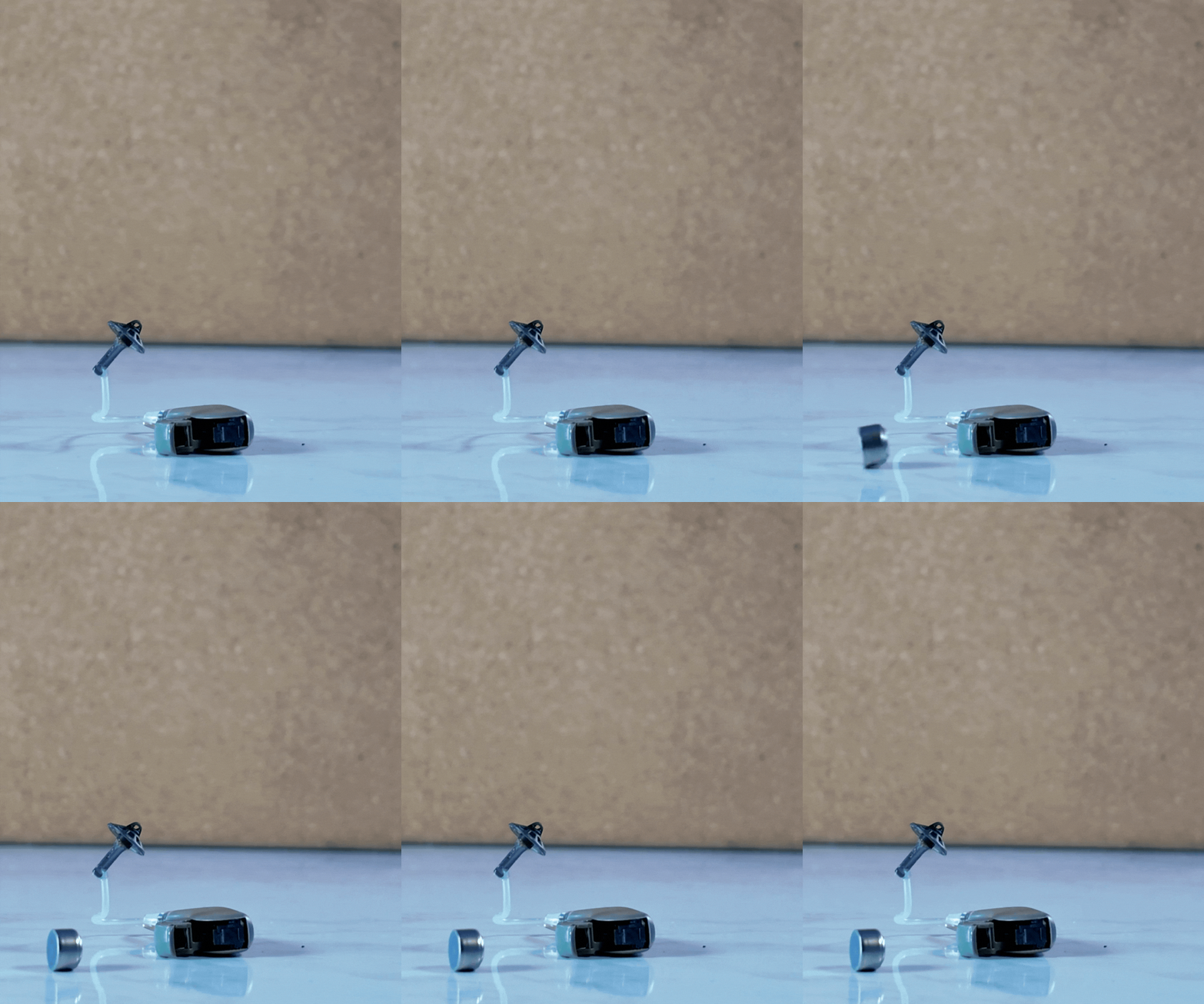
Did you know you can sometimes tell if a battery is empty just by dropping it?
- Empty batteries tend to bounce.
- Full batteries tend to 'plonk'
While this isn't an exact science, it's a handy trick if you're unsure whether your battery needs replacing.
Safe Disposal of Hearing Aid Batteries
When your hearing aid battery is empty, it's important to dispose of it safely.
- Never throw batteries in the household bin
- Recycle your batteries, just like other types of batteries.
Check with your local council or government for recycling points. Proper disposal helps protect the environment and keeps small batteries away from children and pets. (Which leads us nicely into the next point!...)
Keep Batteries Away from Children and Pets
Small batteries can be extremely dangerous if swallowed.
- Always store batteries out of sight and reach of children and pets
- If you drop a battery, pick it up immediately to prevent accidents.
Safety is always the top priority when handling small, powerful batteries.
How to Store Hearing Aid Batteries
Proper storage can extend your battery life and prevent power loss.
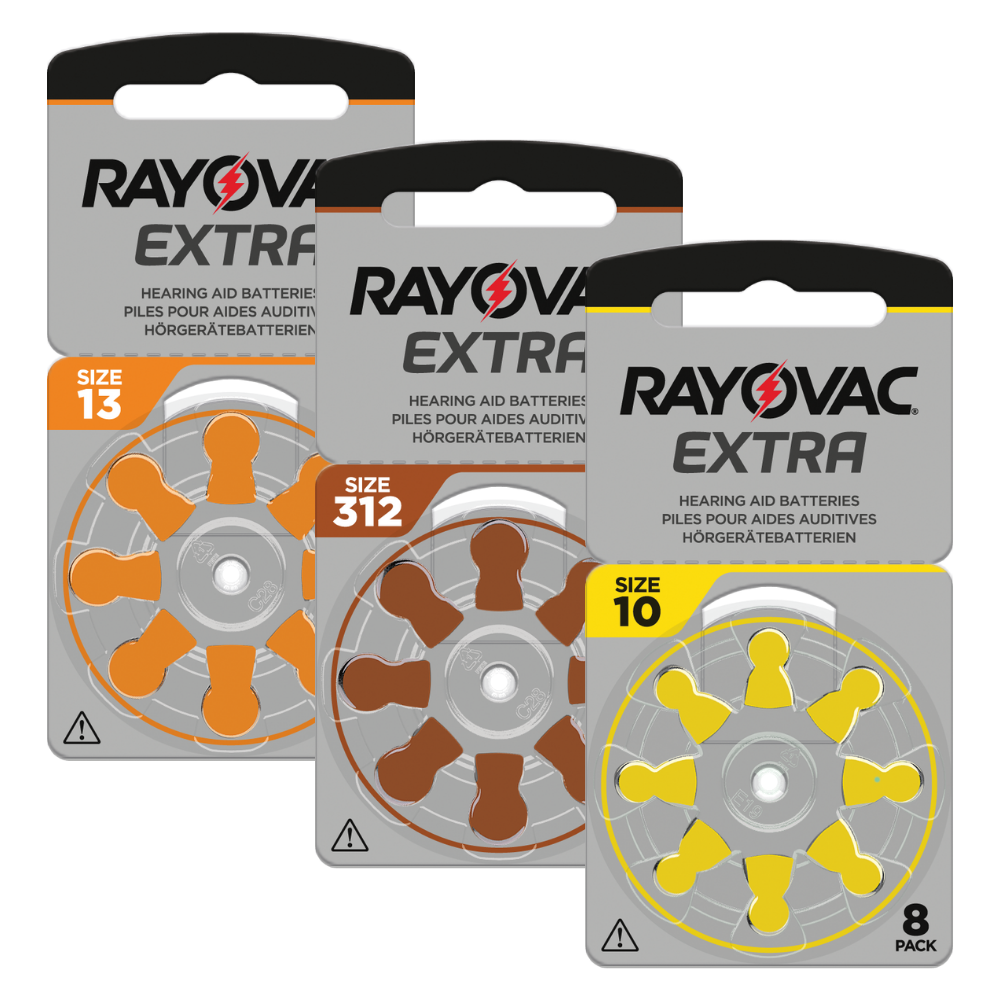
- Keep batteries in their original packaging
- Avoid letting the batteries touch each other. Contact can cause them to lose power or completely deactivate.
- Store batteries in a cool, dry place to prevent damage from moisture or heat.
Handling Your Batteries Correctly
Always handle your hearing aid batteries with clean, dry hands.
Moisture, oils or dirt can lead to corrosion, reducing performance and lifespan. Clean handling ensures your hearing aid works reliably and your batteries last for as long as possible.
Check Expiry Dates Regularly
While it's useful to keep spares handy, avoid stockpiling too many.
- Expire batteries hold less charge and generally don't perform as well
- A quick check of the expiry date before use can save frustration and ensure your hearing aids are always powered when you need them
In Summary: Quick Tips for Battery Care
- Wait 5 minutes before inserting a new zinc-air battery
- Store batteries in their original packaging in a cool, dry place
- Handle batteries with clean, dry hands
- Keep out of reach of children and pets
- Check expiry dates before use
- Dispose of used batteries safely through recycling programmes
These simple steps for hearing aid battery care can make a big difference in performance, safety and convenience. Follow these tips to enjoy longer-lasting batteries, fewer interruptions, and peace of mind knowing your hearing aids are working a their best.
Time to stock up? Shop a huge range of batteries at very competitive prices on our website.