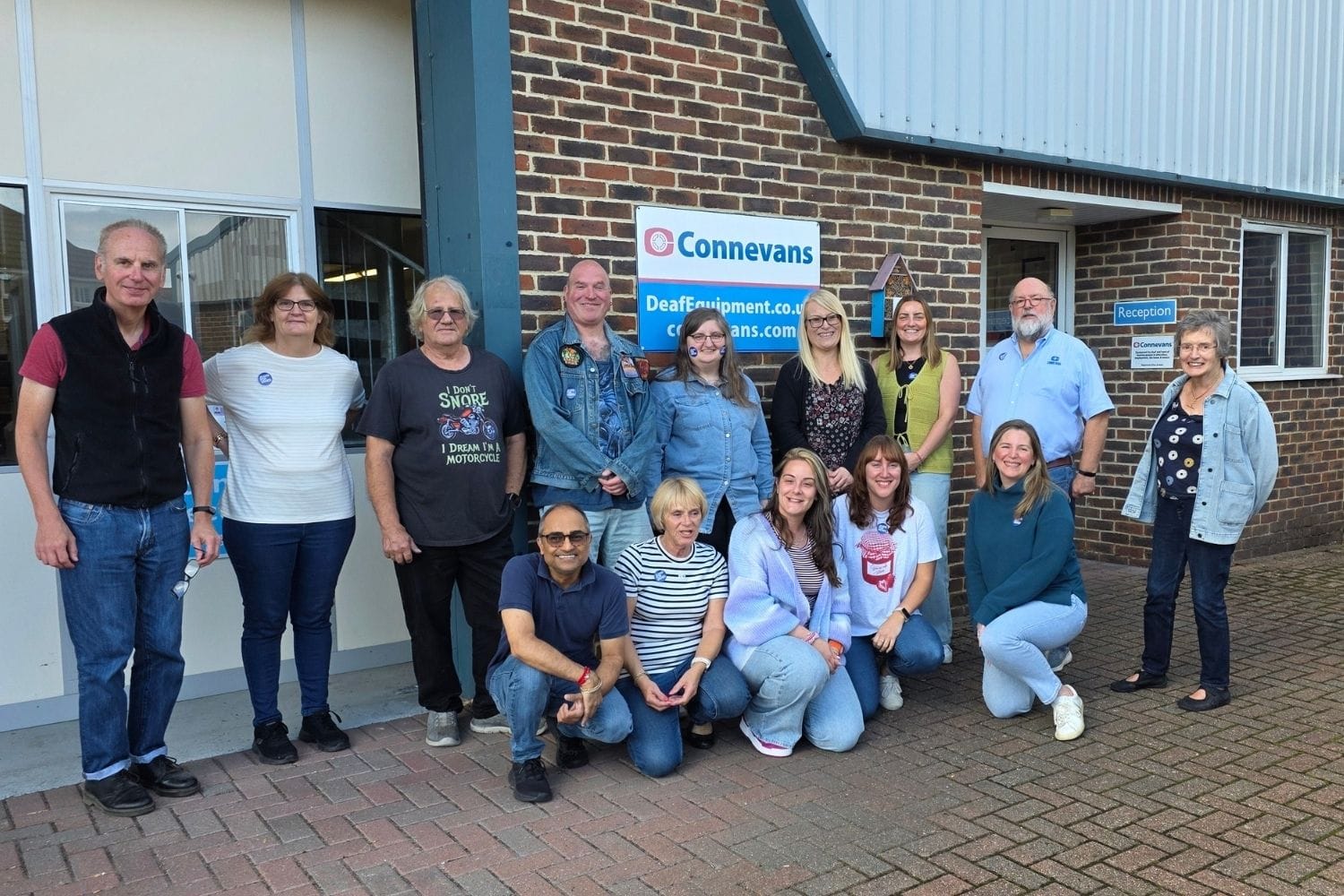
Celebrating 65 Years of Connevans: the Story so far

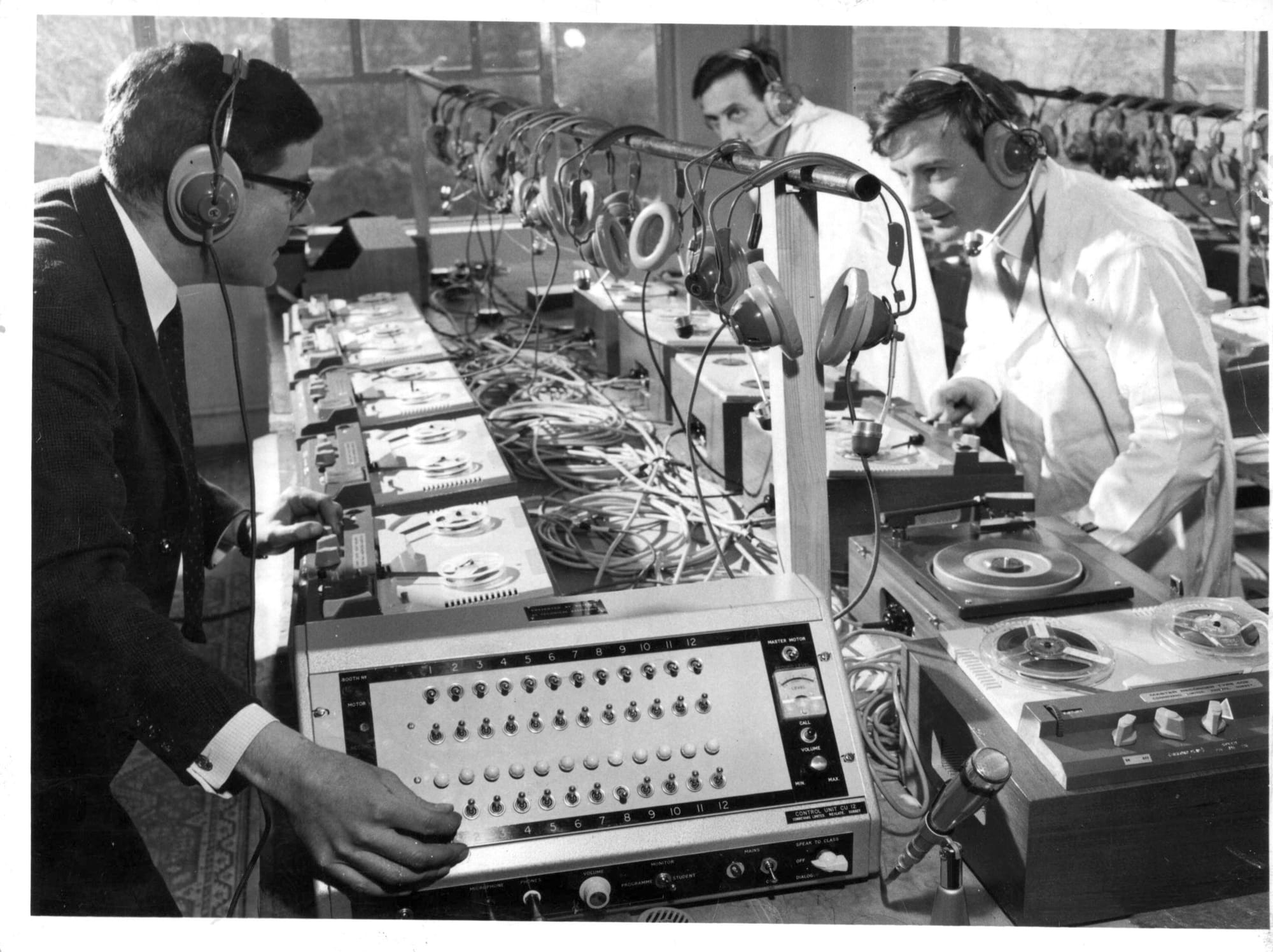
In 1961, Connevans began life as a small family business with a strong technical background, a dining room telephone and a straightforward aim. As David puts it, his father Meurig needed to make a living and support his family. Starting a business was a way to do just that.
But over the next 65 years, that small beginning grew into something much bigger: a company helping deaf and hard of hearing people find equipment that makes everyday life easier.
The technology has changed almost beyond recognition. Three-transistor tape recorders have given way to sophisticated digital and wireless technology and paper catalogues have become online shopping, and the business has grown way beyond its original dining room beginnings.
Yet while the business has evolved, the practical approach at its heart remains familiar - find useful solutions, provide good quality equipment and help people get the most from it.
A business name with a story
The story of Connevans actually begins well before the company was formed.
Founder Meurig Evans started his professional career in the Merchant Navy, spending seven years as a Radio Officer on passenger ships, oil tankers and tramp steamers. He then moved into industry, working with radio equipment before joining the Aircraft Equipment Division of the Aeronautical Inspection Directorate in 1936.
There, he worked on the testing and inspection of radio and early radar equipment for the RAF.
Meurig subsequently worked at the Ministry of Supply, where he was involved with the production of radio components and radio counter-measure equipment for the RAF. He then held senior roles in industry before deciding to establish his own company.
It was also during this period that he met Connie, who was working as a laboratory assistant at the Test House at RAF Kidbrooke, testing batteries and other electrical equipment.
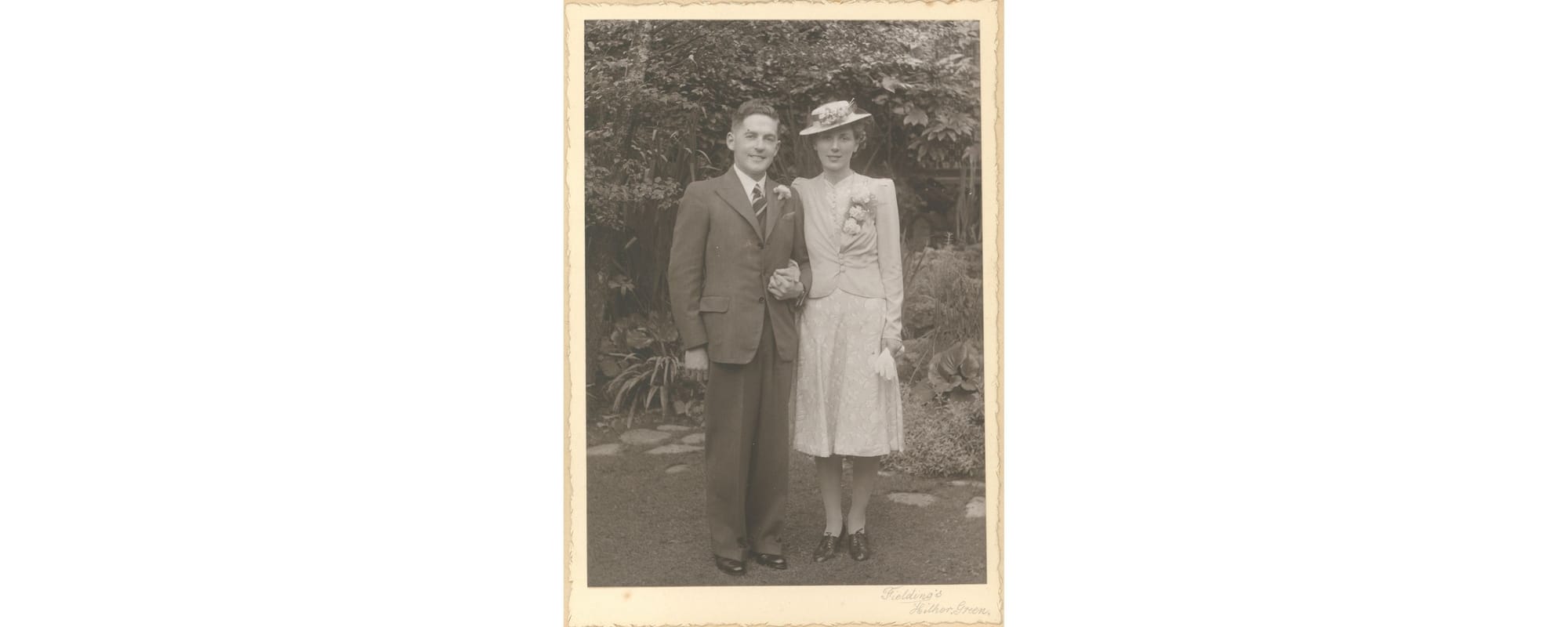
The pair eventually married, and when Meurig decided to establish his own company, it was their accountant, Derek, who helped come up with a name.
Apparently, Derek advised that using Meurig's name wasn't the best idea - he wouldn't want people mispronouncing it! Instead, he suggested combining the names of Meurig (Evans) and his wife Connie... and so, in 1961 Connevans was born.
From the dining room to a growing business
In the early 1960s, the newly established Connevans operation was very much a family affair.
Meurig initially worked from home, David recalls a telephone eventually being installed in the dining room, reportedly after a little persuasion from Connie, so that 9 year old David wouldn't be kept awake by business calls at night.
It wasn't quite the purpose-built headquarters we have today, but every business has to start somewhere.
Back then, Connevans became the first company in Britain to manufacture language laboratory equipment using three-transistor tape recorders. At the time, this was incredibly advanced technology, and language laboratories became a major part of Connevans' production. For almost two decades, they remained at the heart of the business before disappearing in the recession of the 1980s.
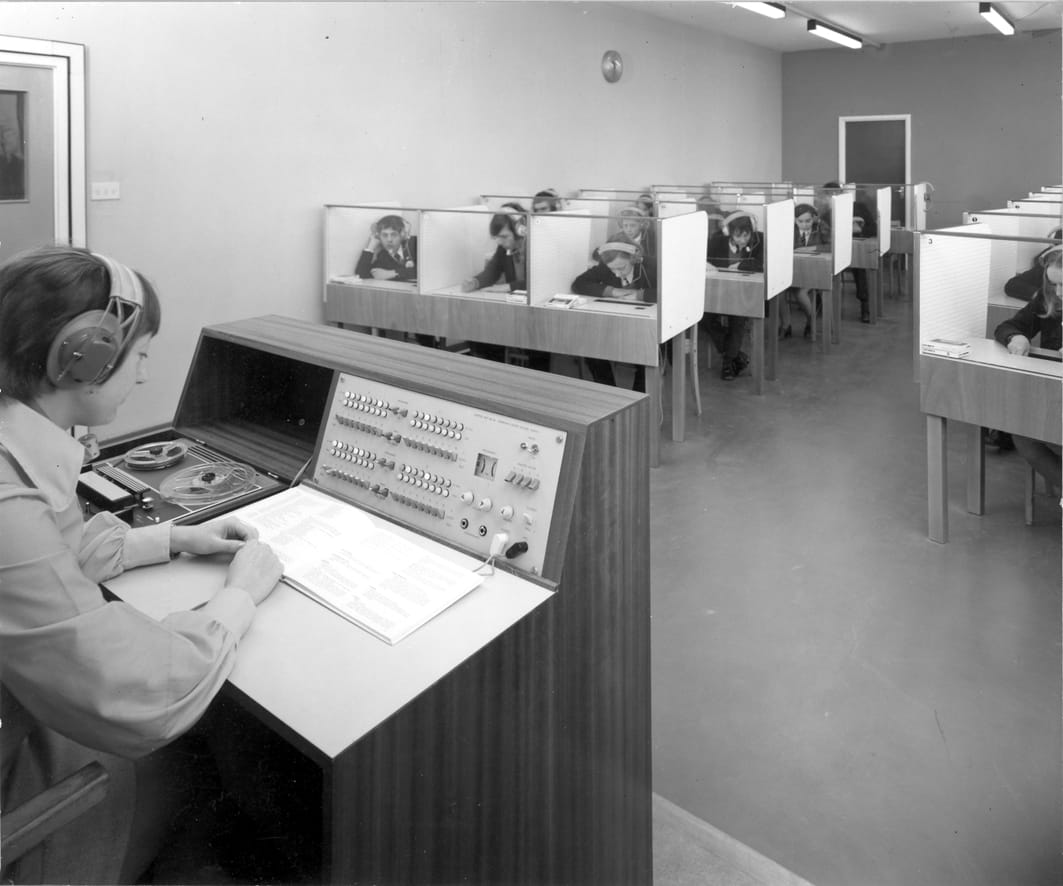
By this time however, Connevans was increasingly concentrating on the design and manufacture of equipment for people with hearing loss. It was the beginning of the journey towards the business we know today.
Always looking towards the next piece of technology
Technology has been part of Connevans' DNA from the very beginning, so it isn't surprising that the company was an early adopter of computers.
By the 1980s, computers and computer-aided testing were becoming an increasingly important part of the business. At one point, Connevans had around one computer for every two employees.
These days, that ratio doesn't sound particularly remarkable. In the 1980s, however, it was a serious commitment to technology.
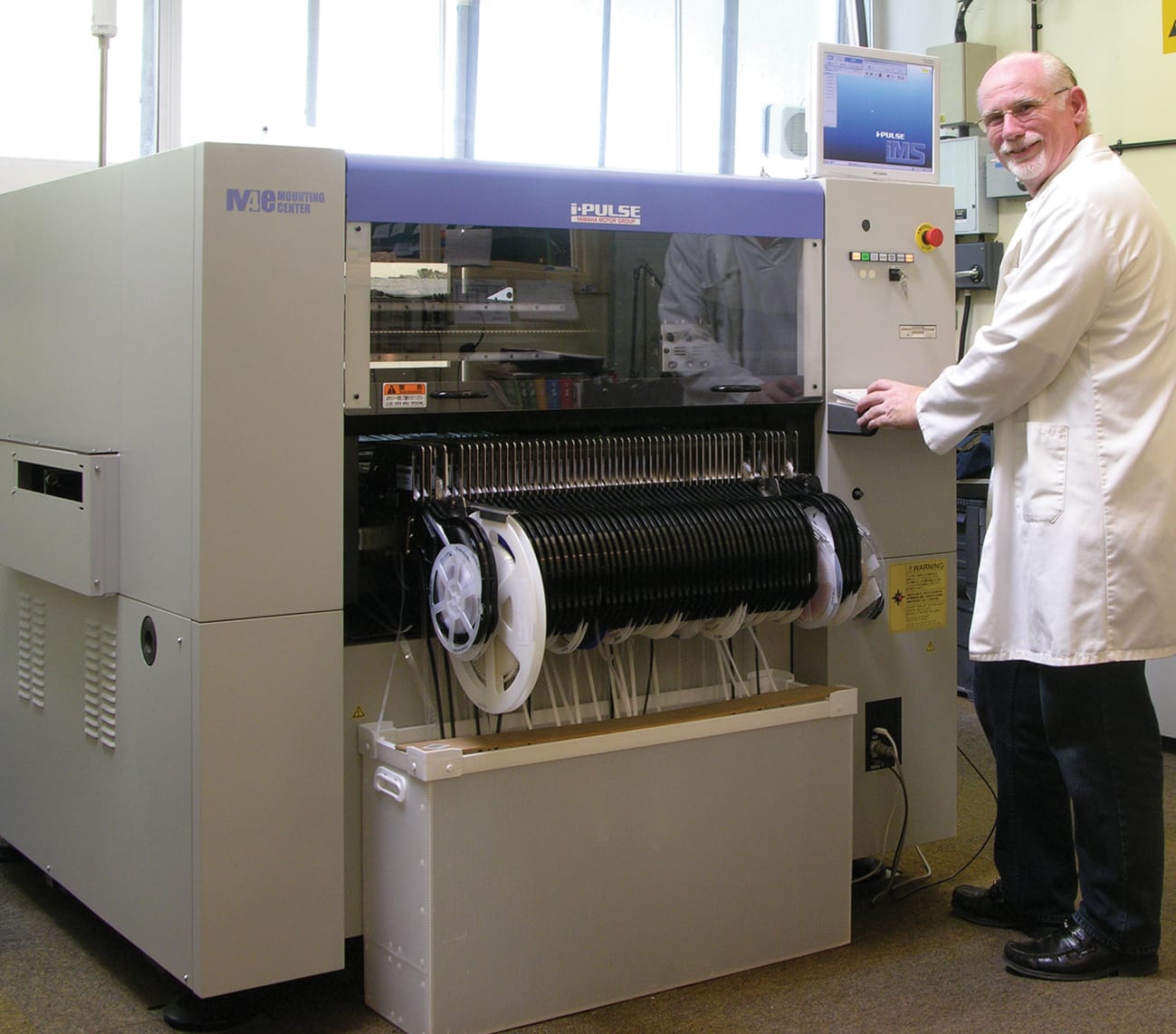
The company was also looking towards semi-automated production, eventually introducing a robotic surface-mount assembly facility.
It was given the rather excellent name Bertha, chosen by Meurig's granddaughter, and current Connevans Director, Laura. At the time, Laura was around two years old, and her choice was inspired by the children's TV series Bertha about a factory machine of the same name.
Bertha was operated by Ken Robinson, who had joined Connevans at just 17 years old. It was a great example of the old and new working alongside each other: original 1960s machinery was still being used in production and repairs, while newer technology was being introduced to improve manufacturing.
That combination of experience and innovation has continued to be a recurring theme throughout Connevans' history.
A business built around need
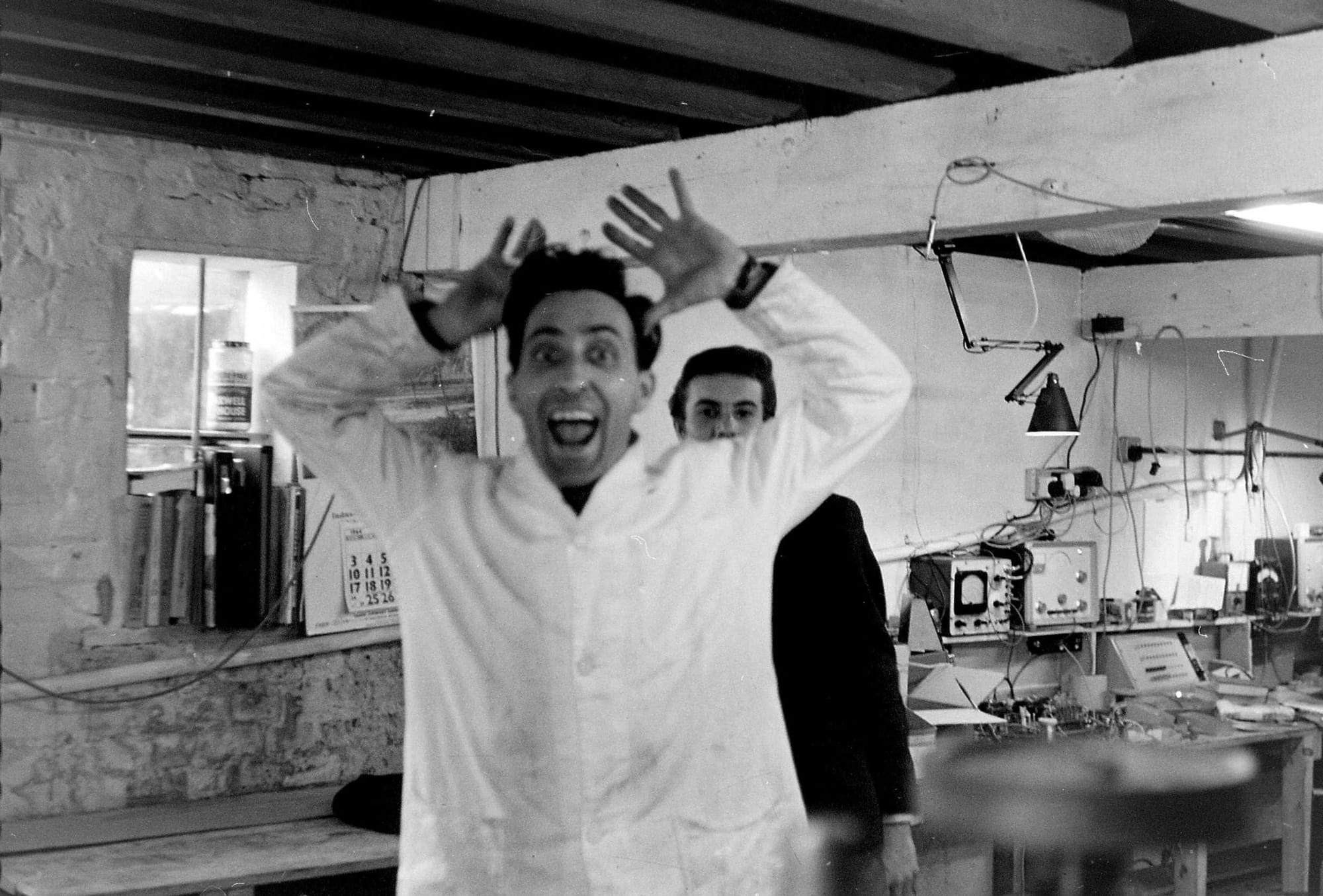
Connevans didn’t begin with the range of assistive technology we’re known for today. When Meurig founded the business in 1961, its early work centred on designing and manufacturing language laboratories, using innovative technology to help students develop their language skills through audio recordings and individual headsets. Connevans was also the first company to produce a language laboratory system using transistors rather than valves.
An overseas enquiry soon opened up an unexpected new direction. The language laboratories used STC headsets, when STC themselves received an enquiry about developing an amplifier that would allow the headsets to be used at high volume by deaf students, they passed it on to Connevans.
This led to conversations with Mike Martin at RNID (Royal National Institute for Deaf People), which were particularly timely. RNID had already been experimenting with developing an Auditory Trainer, and Connevans took on the project, progressing the idea into a finished product.
The result was the CTU1 Auditory Trainer, which went into production in 1969. Initially developed as a single-user unit, it was followed by group systems in the years that followed, helping to support deaf students in their learning.
As the business developed, Meurig began to recognise that there was an important need for better equipment for people with hearing loss. He saw an opportunity to use his technical knowledge and manufacturing experience to create practical, good quality products that could make a genuine difference.
That realisation marked a significant turning point for Connevans. Over time, the business shifted its focus towards equipment for deaf and hard of hearing people, growing from its original manufacturing roots into the specialist supplier of assistive technology, hearing aid accessories, alerting equipment and communication products we are today.
The products have changed. The customers' needs have evolved, and the technology has moved forward at an astonishing pace - but the principle of providing practical equipment that solves a real problem has stayed consistent throughout the years.
From catalogues to clicks
Another major change has been the way customers find and buy products.
Meurig was a strong supporter of the mail-order model and recognised the potential of a catalogue to reach customers beyond the local area. The Connevans catalogue also opened up opportunities for overseas sales.
Over the decades, we've produced countless catalogues, becoming a much-loved reference guide for anyone looking for deaf equipment and accessories.
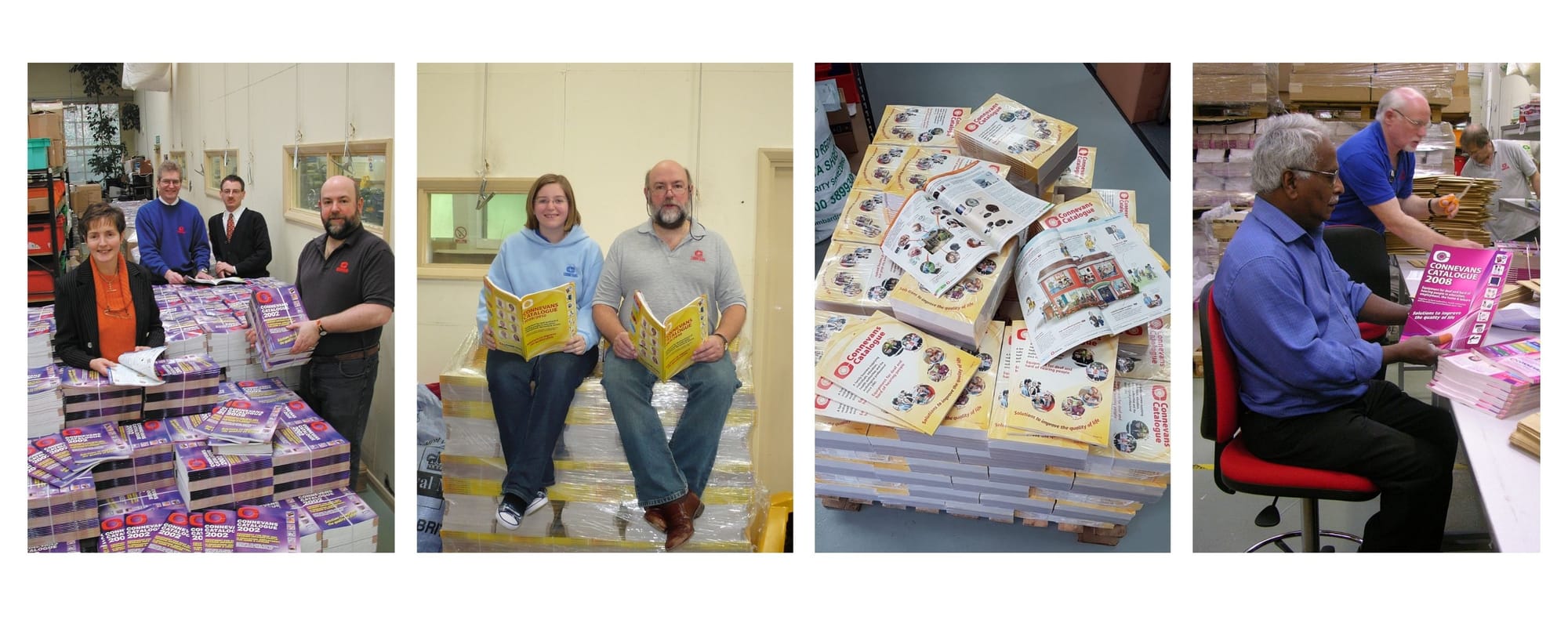
Today, of course, the catalogue has largely been replaced by the website.
Customers can browse thousands of products, search for equipment compatible with their hearing aids, read guides and advice, and place an order online without ever needing to pick up a pen.
We believe that Meurig would have embraced online shopping eventually, he was, after all, perfectly willing to accept that computers were going to be important even if he admitted that he knew very little about them.
Keeping the useful stuff going
Looking back through Connevans' history, there is a recurring appreciation for things that still have a job to do.
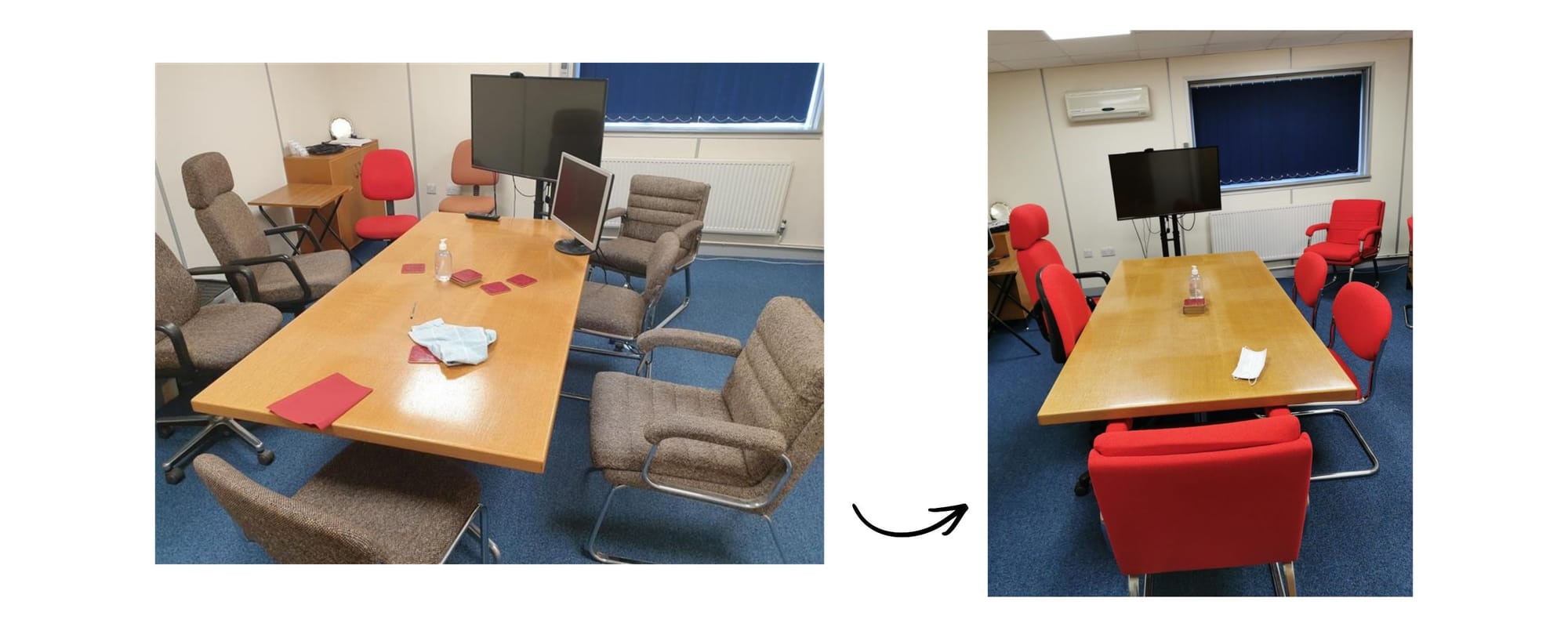
The company's original 1960s machinery continued to be used alongside much newer production technology. Old and new weren't necessarily seen as opposing forces; if something worked well, there was a good reason to keep using it.
That attitude feels quite familiar at Connevans today.
We're still interested in new technology and new ways of doing things, but we're also rather fond of making things last, finding another use for something before throwing it away, and generally avoiding unnecessary waste.
Perhaps that's another idea that has stood the test of time.
65 years of change - and some things that haven't changed a bit
During the 1990s Meurig continued to take an interest in Connevans after stepping back from the day to day running of the company. He was proud to see the business continuing to grow and recognised that progress inevitably meant embracing new technology.
Letting go of the company he had founded wasn't necessarily easy, but he had confidence that it was in good hands, and he was right.
Six decades later, Connevans is still a family-owned business, with further generations of the family involved.
The technology around us today would have seemed extraordinary in 1961. Hearing equipment is smaller, smarter and increasingly wireless. Customers can order from a website rather than a printed catalogue. Our phones have more computing power than the machines that once seemed revolutionary in the Connevans workshop.
And somewhere along the way, Bertha became part of the family history too.
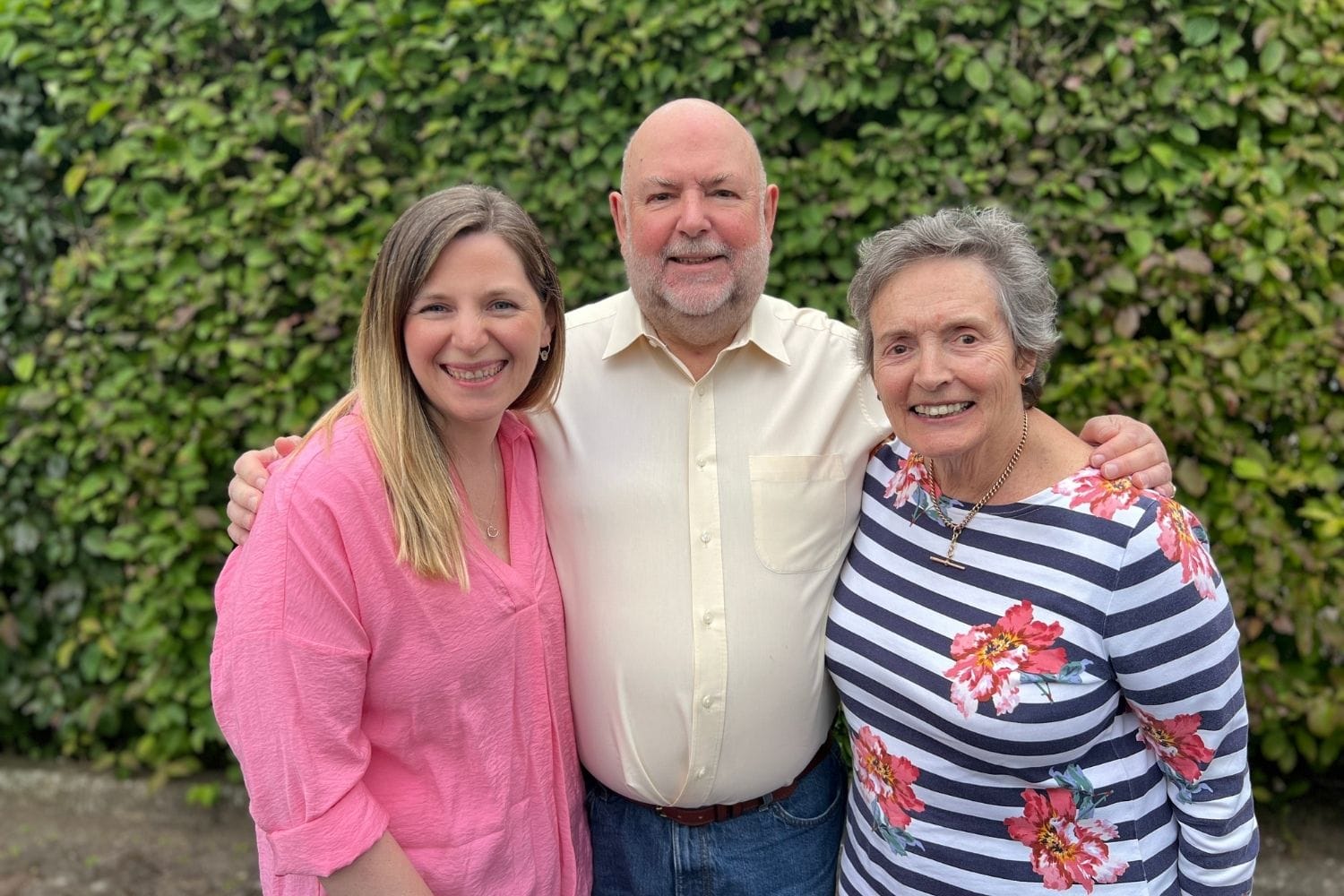
But strip away all the technology, products and 65 years of history, and the story starts with something much more ordinary.
Meurig wanted to earn a living for his family. With his technical experience and entrepreneurial spirit, he set out on his own, and the ideas began to take shape from there.
What started as a business grew into the design and manufacture of language laboratories, using innovative three-transistor tape recorders. Later, as Meurig recognised the need for better equipment for people with hearing loss, Connevans evolved again, finding a new direction that would go on to shape the business for decades.
So here we are, 65 years later. Still learning, still adapting and still looking for practical ways to help people find equipment that works for them.
From those early tape recorders to today's digital assistive technology, it's been quite a journey… and we're not finished yet!