
Helping Deaf and Hard of Hearing Children Become More Independent


Growing up means gradually learning to do more things for yourself. For deaf and hard of hearing children, there can be a few additional things to think about along the way.
From waking up independently and looking after hearing aids or sound processors, to keeping hearing devices safe, the right equipment and support can help children to build confidence and take on more responsibility.
Of course, every child is different. Independence doesn't simply happen overnight, and there's no magic age when a child suddenly becomes responsible for their own hearing devices.
Instead, it's about giving children the right tools, knowledge and confidence to take on small tasks when they're ready. Here are some practical ideas and useful equipment that can help.
Helping a child wake up independently
If your child takes their hearing aids or processor off at night, a conventional alarm clock may not be enough to wake them.
A vibrating, flashing or extra loud alarm can give deaf and hard of hearing children different ways of knowing when it's time to get up, without relying on a parent or carer to wake them.
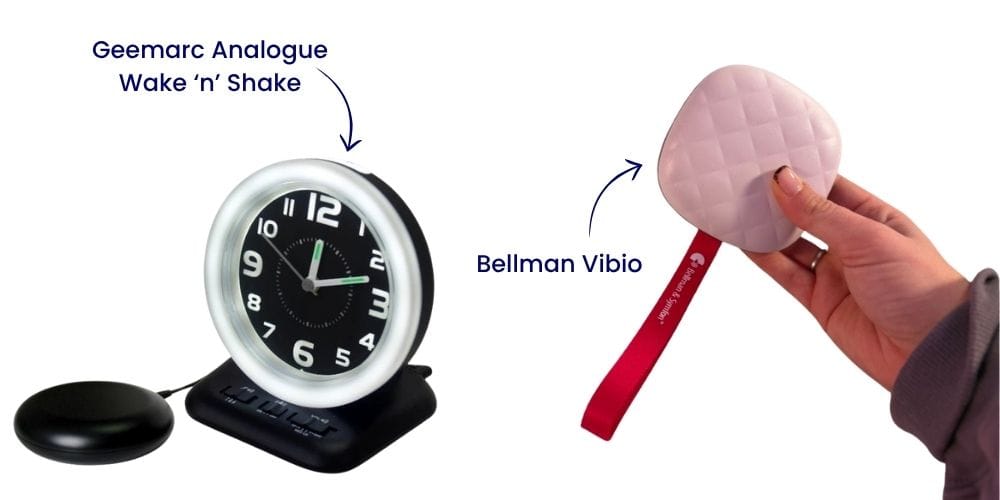
Our pick: Geemarc Wake 'n' Shake Vintage Classic
A favourite amongst customers, this clock combines loud, flashing and vibrating alarms to give children the choice of several ways to know their alarm is going off.
With an analogue clock face, it can also be a useful way for younger children to practice telling the time. Learn more >>
For older children: Bellman Vibio
Perhaps your child has their own smartphone, if and when that's the case, the Bellman Vibio offers another option.
The vibrating pad connects to a smartphone via Bluetooth, with the Vibio app allowing you to set alerts for alarms, calls and messages.
It's portable too, so it can be particularly useful for sleepovers, holidays and overnight school trips. Learn more >>
Encourage good hearing device care habits
Looking after hearing aids or sound processors can eventually become part of a child's everyday routine.
Cleaning, drying, checking batteries and putting their devices somewhere safe are all useful skills to learn, but you don't need to hand over the whole care department in one go!
Start with small jobs that are appropriate for your child and their abilities. They might begin with putting their hearing devices somewhere safe at bedtime, helping with the drying routine or learning how to check a battery.
Give them a care kit of their own
Having their own equipment can help make hearing device care feel like something they can take ownership of.
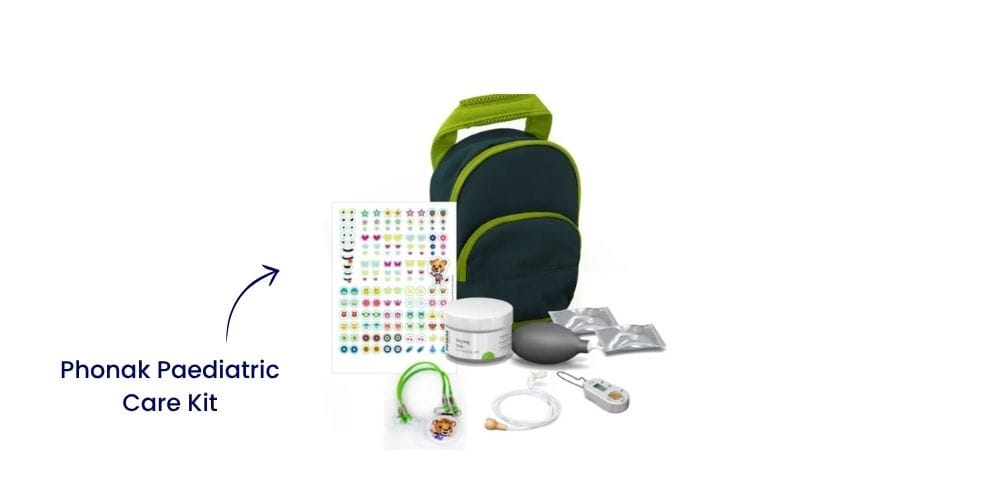
The Phonak Paediatric Hearing Aid Care Kit contains a selection of useful items, including:
- Hearing aid battery tester
- Hearing aid puffer
- Drying tub and drying capsules
- Leo kids retainer clip
- Hearing aid stickers
- Listening tube
It all comes in a handy backpack, so everything can be kept neatly together.
Create a safe place for hearing devices
There are plenty of times when hearing aids or sound processors need to come off - swimming, bath time, bedtime and getting changed, for example.
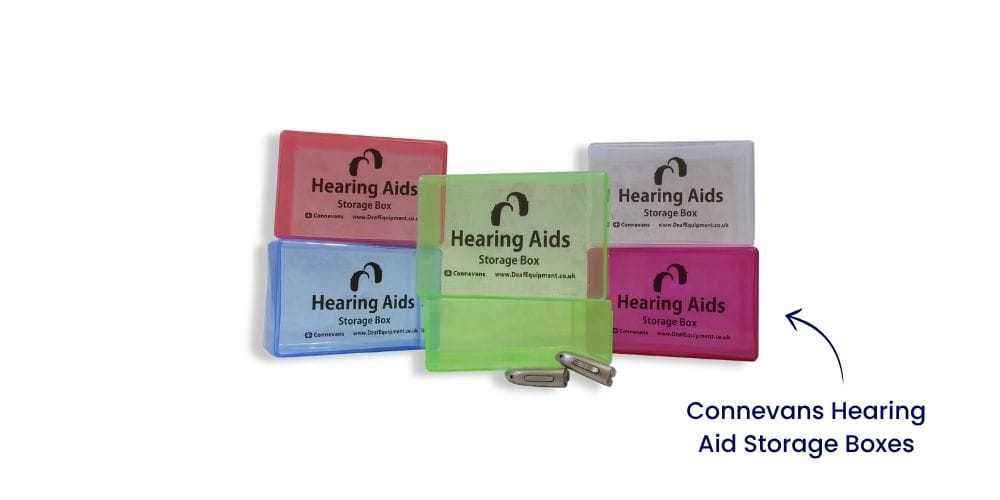
Having a dedicated storage box or container gives children a clear place to put their hearing devices when they're not wearing them.
It can also help avoid the dreaded search at the bottom of their school bag!
For younger children especially, a colourful or fun storage box can make putting their hearing devices away feel like part of the routine rather than another chore.
Keeping hearing aids secure during play
Running around the playground, playing sports or simply going through a phase of pulling their hearing aids off can increase the risk of a hearing device being lost or damaged.
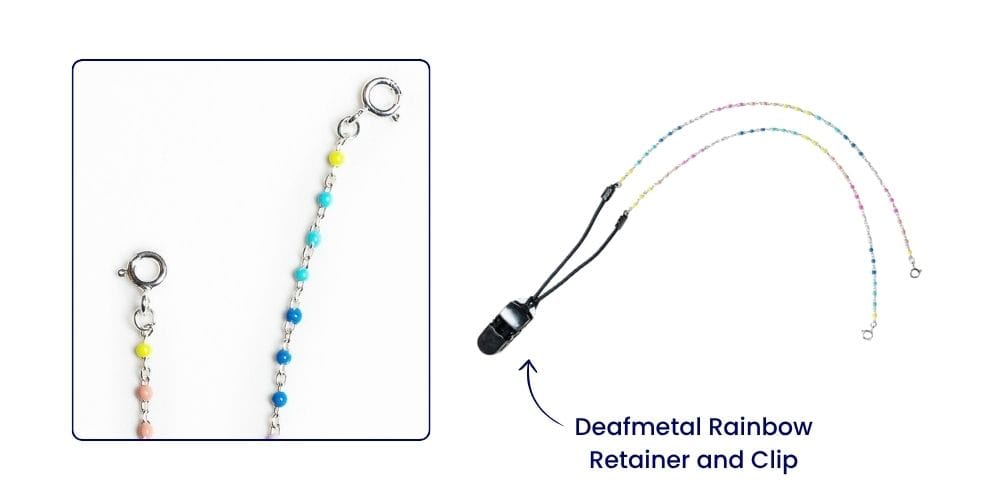
Retention cords, safety clips and hearing aid jewellery can provide some extra security. They can also give children the opportunity to choose something that reflects their personality.
Our pick: Deafmetal Rainbow Retainer and Clip
A colourful retention clip option that looks more like a piece of jewellery than a traditional hearing aid safety accessory. It's a fun choice for children who want something a little more grown up, while still helping to keep their hearing aids safe. Learn more >>
Protecting hearing devices from everyday mess
Let's face it, grubby fingers, dust, dirt and moisture are all part of everyday life with children.
Hearing aids and sound processors can be exposed to plenty of things during a normal day, particularly for children who are active or regularly fiddle with or remove their devices.
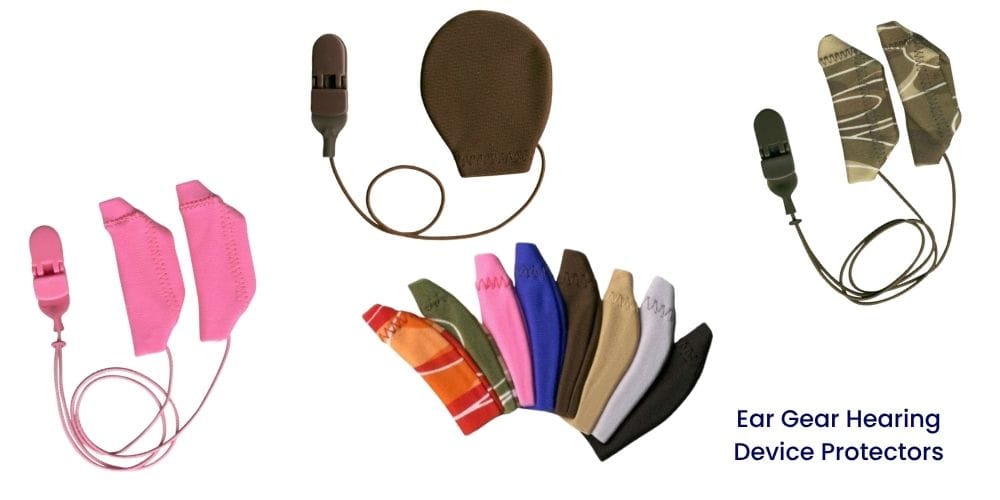
Ear Gear hearing aid and sound processor protectors
Ear Gear protectors provide an additional layer of protection for hearing devices. They're available in different styles and colours and can help protect hearing devices from things such as moisture, sweat and everyday dirt.
They're also washable and reusable, making them practical for everyday use.
Different Ear Gear styles are also available for different types of hearing aids and processors, so it's worth checking compatibility before choosing one.
Making TV, music and gaming more accessible
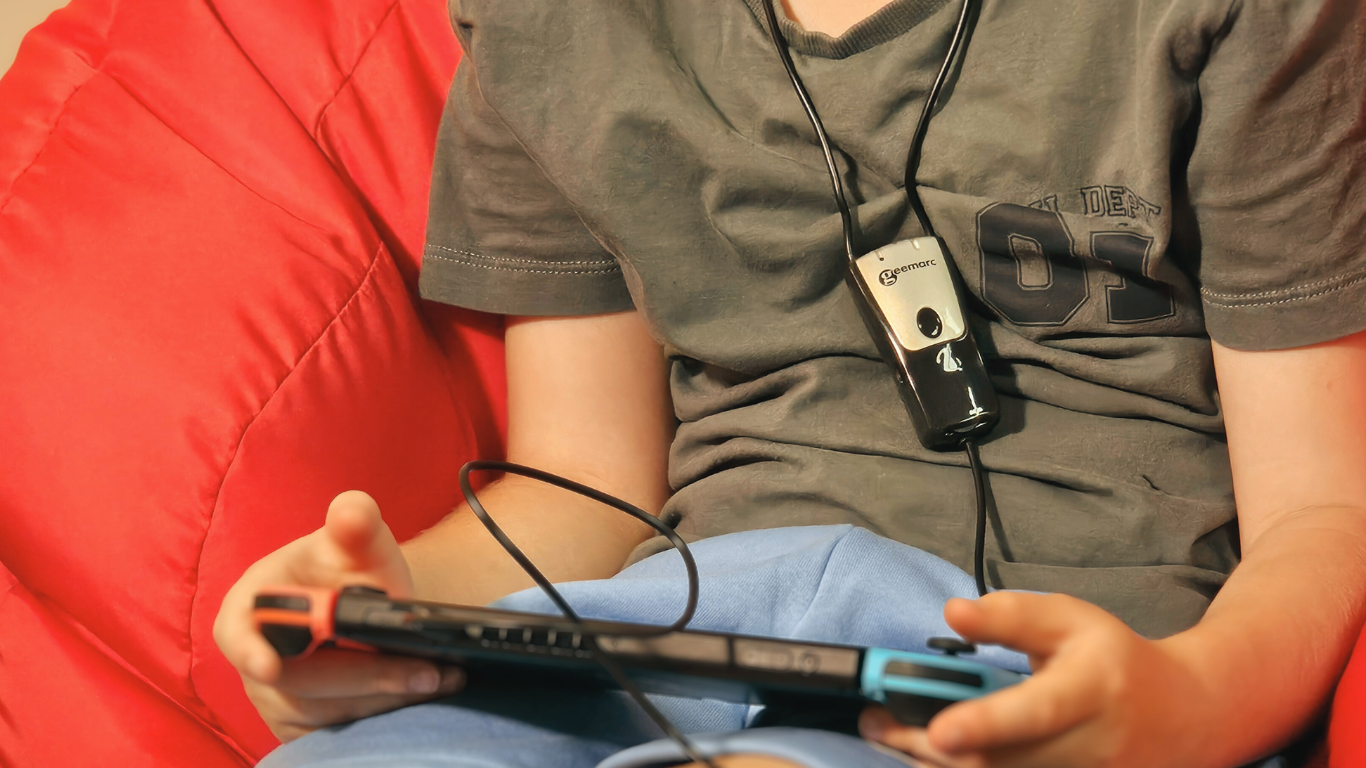
As children get older, they may want to connect their hearing aids or sound processors to the things they use every day - including the TV, computer, music player or gaming equipment.
There are lots of different accessories available, but the most important thing is compatibility.
The accessory your child needs will depend on the make and model of their hearing aid or processor. What works with one device may not work with another.
That's why we created My Hearing Aid.
You can select the make, range and model of a hearing device to find compatible accessories, spares and useful information - without having to guess what will work.
Building independence takes time
Learning to manage hearing devices is just one part of growing up. Some children will be keen to take responsibility early while others may need a little more support and encouragement.
The aim isn't to expect a child to suddenly manage every aspect of their hearing aids or processor independently. Instead, look for opportunities to gradually hand over small responsibilities. They might:
- Put their hearing aid somewhere safe at night
- Help with cleaning or drying
- Learn how to check a battery
- Remember to take their devices with them when they leave the house
- Choose their own retention accessory
- Help pack their equipment for a sleepover or holiday
- Learn which accessories work with their device
Over time, these small tasks will become familiar habits. Perhaps most importantly, they're not just learning how to look after a hearing device - they're learning that they can take an active role in managing their own hearing needs.
Practical support for parents, carers and children
If you're looking for more information about hearing aid care, assistive equipment or accessories for deaf and hard of hearing children, we've got plenty of resources that will help.
You can also browse our range of deaf equipment, hearing aid accessories and assistive products, or get in touch with our team if you're unsure what might be useful.

Independence doesn't happen overnight
Every child is different, and there's no single right way to help them build their independence. For some children it might start with putting their hearing aids in their storage box, for others it might be learning to check a battery.
The most important thing is to take it one step at a time. Give them the tools, let them have a go, and gradually hand over more responsibility when they're ready.
And if you need a bit of advice along the way, that's exactly what we're here for!