
How to Protect Your Hearing Aids from Sweat


Sweat and hearing aids aren't the best combination. Whether you're exercising, spending time outdoors in warm weather, or simply prone to sweating around your ears, moisture can find its way into your hearing aids and sensitive areas such as the microphone ports.
Protecting your hearing aids from sweat isn't impossible. A few simple habits and the right care products can help reduce exposure to moisture, keep your devices clean and dry, and make wearing hearing aids more comfortable, even in the heat.
In this guide, we'll look at three simple ways to protect your hearing aids from sweat:
- Prevent sweat from reaching your hearing aids in the first place
- Clean your hearing aids when they do come into contact with sweat
- Dry your hearing aids regularly for long-term protection
Why is it important to protect hearing aids from sweat?
Hearing aids are designed to be worn throughout the day, but they contain sensitive electronic components that don't benefit from excessive moisture.
Sweat can build up around your ears and hearing aids, particularly during exercise, hot weather or physical activity. Over time, repeated exposure to moisture can contribute to problems with the performance and reliability of your hearing aids.
Sweat can also make wearing hearing aids uncomfortable. When moisture builds up between your skin and the hearing aid, the device can rub against your ear, potentially causing irritation or chafing.
That's why prevention and regular hearing aid care are important, particularly if you regularly sweat while wearing your hearing aids.
1. Prevent sweat from reaching your hearing aids
One of the best ways to protect hearing aids from sweat is to prevent as much moisture as possible from reaching the device in the first place.
Use hearing aid covers and protectors
Products such as Ear Gear hearing aid protectors are designed to provide an additional layer of protection around your hearing aids. They can help reduce the amount of sweat and moisture that comes into contact with your hearing aids, protecting sensitive parts like the microphone ports.
Ear Gear can be particularly useful if you:
- Exercise or play sports while wearing hearing aids
- Spend lots of time outdoors
- Live or work in a warm environment
- Sweat heavily around your ears
- Find that sweat makes your hearing aids uncomfortable
- Want additional protection during summer or physical activity
Explore Ear Gear hearing aid protectors

Protect against rubbing and chafing
Sweat doesn't just create a moisture problem. When a hearing aid or its accessories are sitting against damp skin, the combination of moisture and movement can cause rubbing and discomfort.
A hearing aid protector can provide an additional barrier between the device and your skin, helping to make wearing your hearing aids more comfortable when you're sweating.
2. Clean your hearing aids after sweating
Even with good protection, your hearing aids may still come into contact with sweat or moisture.
If this happens, don't leave the moisture sitting on your hearing aids. Give them a quick clean as soon as you can.
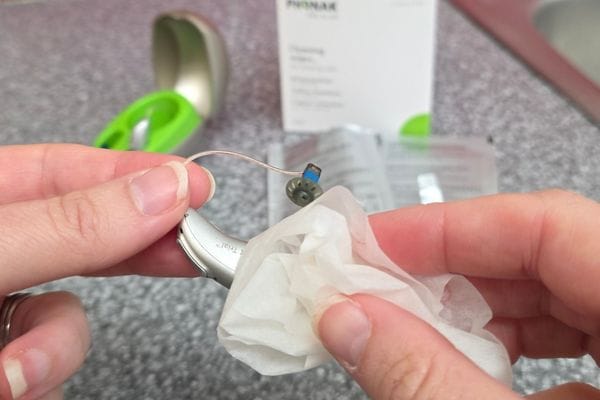
Keep hearing aid cleansing wipes with you
Specialist hearing aid cleansing wipes are useful for giving your devices a quick wipe after you've been sweating.
They're particularly handy for keeping in your bag, car or hearing aid care kit so that you have them available when you're out and about.
A quick wipe can help remove sweat, oils and other residue from the surface of your hearing aids before it has a chance to build up.
It's important to use products designed specifically for hearing aids rather than household cleaning products, which may contain substances that aren't suitable for your devices.
See our hearing aid cleaning products and accessories
3. Dry your hearing aids regularly
Cleaning your hearing aids removes sweat and residue from the outside, but drying is another important part of hearing aid care.
A hearing aid drying box or drying cup can help remove moisture that has accumulated inside or around your hearing aids.
Drying cups: simple, portable moisture protection
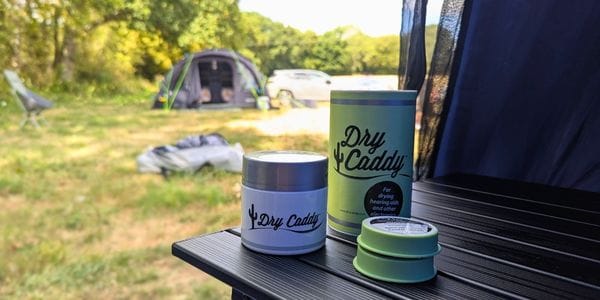
Drying cups are a straightforward option for absorbing moisture from hearing aids when you aren't using them.
They're particularly convenient for travelling, camping, weekends away and other situations where you can't carry electrical equipment.
They're also a useful addition to a hearing aid care routine if you want a simple way to dry your hearing aids overnight.
Electrical drying boxes: convenient at home
For regular use at home, an electrical hearing aid drying box can provide a more convenient way of drying your devices.
Some electrical drying systems can dry hearing aids in as little as 45 minutes, depending on the product.
They're also particularly useful for people with rechargeable hearing aids. Rechargeable hearing aids are often placed on charge overnight, meaning there isn't always an opportunity to dry them at the same time. A dedicated drying box can provide an alternative routine for keeping them dry.
Explore hearing aid drying boxes, cups and drying products
What is the best way to protect hearing aids from sweat?
There's no need to rely on just one method. The best approach is to combine prevention, cleaning and regular drying.
For example, if you're going for a run on a hot day:
Before: Use an Ear Gear hearing aid protector to help reduce sweat reaching your hearing aids.
During/after: If your hearing aids have become sweaty, give them a careful wipe with a suitable hearing aid cleansing wipe.
At home: Put your hearing aids into a drying box or drying cup as part of your normal evening care routine.
This creates a simple routine that can help you look after your hearing aids throughout the year.
Don't let sweat stop you wearing your hearing aids
Sweating is a normal part of everyday life, particularly during exercise and warmer weather. It doesn't mean you have to stop wearing your hearing aids.
Taking a few simple precautions can help reduce the amount of sweat your hearing aids are exposed to, while regular cleaning and drying can help you look after them over the longer term.
The key is to make hearing aid care part of your normal routine. Hearing aid protectors, cleansing wipes and drying products are all quick and easy to incorporate into your day.
If you're unsure which hearing aid care products are right for you, the Connevans team is always happy to help.
📧 Email us: info@connevans.com
📞 Call us: 01737 247571