
New to Hearing Aids? 11 Things You Need to Know


Getting hearing aids can be a big adjustment. Suddenly, you’re not only getting used to wearing something new, but you’re also hearing sounds differently, learning how your hearing aids work and figuring out what to do when something doesn’t seem quite right.
It can feel like there’s a lot to learn and to remember, but you don’t need to become an expert overnight. Here are 11 things we think are worth knowing if you’re new to hearing aids.
1.Getting to know your hearing aids
One of the most useful things you can do when you first get your hearing aids is find out exactly what you’re using.
Make a note of the make and model of your hearing aids and keep this information somewhere easy to find. You might also want to keep a record of the accessories or parts you’re using, such as your type of dome, tube or receiver.
Why does this matter?
If you need help troubleshooting a problem, replacing a part or finding a hearing aid accessory, knowing the exact make and model can make it much easier to find information and identify what’s compatible.
2.Understand the Different Parts of Your Hearing Aids
You don’t need to know everything, but understanding the basic parts of your hearing aids can make a big difference.
When you first get your hearing aids, the terminology can be a little overwhelming.
What’s a dome? What’s a wax filter? What’s the difference between a tube and a receiver? And which bits are you actually supposed to replace?
It can also help you recognise when something doesn’t look quite right - for example, if a tube becomes damaged or a wax filter becomes blocked.
3.How to Clean and Care for Your Hearing Aids
Like any piece of technology, hearing aids benefit from regular care.
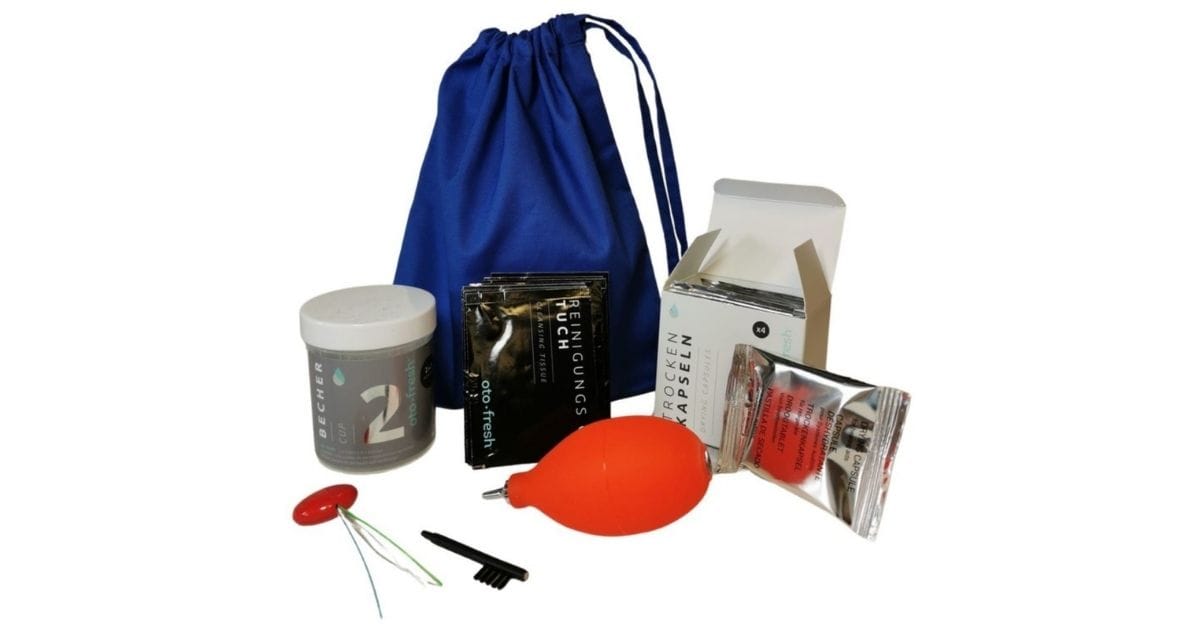
Cleaning your hearing aids and keeping them dry can help you look after them and keep them working as they should. A simple routine should include checking for visible dirt or wax, cleaning the appropriate parts and putting your hearing aids in a drying cup or box when you’re not wearing them.
There are a range of specialist hearing aid cleaning products, wipes and drying systems available to make this easier.
4.Keep your Hearing Aid Spares Topped Up
Don’t wait until something breaks or runs out before thinking about a fix.
Depending on your hearing aids, you may need to regularly replace things such as domes, tubes, wax filters, receivers or hooks. If your hearing aids use disposable batteries, it’s also worth keeping a supply at home and perhaps a few spares in your bag.
Having the right replacements ready means a small problem doesn’t necessarily have to become a big interruption to your day.
5.What to Do If Your Hearing Aid Sounds Different
If your hearing aid suddenly sounds different, it doesn’t necessarily mean the hearing aid itself has stopped working.
A dirty wax filter, blocked microphone, damaged tube or moisture could be the culprit.
Before assuming there’s a major problem, it’s worth carrying out the basic checks recommended for your particular hearing aids. Sometimes a simple clean or replacement part can make all the difference.
If you’re still having problems, speak to your audiologist or hearing care professional.
6.How to Protect Your Hearing Aids from Moisture
Hearing aids and moisture aren’t the best of friends.
Rain, sweat, humidity and everyday moisture can potentially affect your devices. You should follow the manufacturer’s guidance for your particular hearing aids, especially around activities such as swimming.
When you’re not wearing your hearing aids, storing them somewhere dry can help. Hearing aid drying boxes and drying systems are a useful option for helping to remove moisture and can form part of your regular hearing aid care routine.

7.Create a Hearing Aid Emergency Kit
A small bag containing your most-used essentials can be surprisingly useful.
Depending on your hearing aids, you might include:
- Spare batteries or charging accessories
- Cleaning tools or wipes
- Spare domes
- Wax filters
- Tubes or other replacement parts
- A hearing aid storage box
Keep it somewhere easy to grab when you’re heading out, and consider creating a smaller version for your handbag or work bag.
You’ll thank yourself when you need something unexpectedly!
8.Explore Assistive Listening Equipment and Remote Microphones
Hearing aids are great, but there are situations where you may benefit from a little extra help.
Assistive listening equipment and remote microphones can help in situations where distance, background noise or competing sounds make listening more difficult.
For example, a remote mic could be useful when you’re:
- Having a conversation in a noisy environment
- Attending a meeting
- Listening to someone from further away
- Sitting in a classroom or lecture
- Trying to hear someone in a busy group
The right solution will depend on your hearing aids and your particular listening needs.

9.Find Out What Your Hearing Aids Can Connect To
Modern hearing aids can do so much more than amplify sound.
Depending on your hearing aids, you may be able to connect them to a phone, tablet, TV or other audio device, either directly or with an accessory.
And don’t forget the T/loop setting! Telecoils can connect your hearing aids to hearing loops in many public places, including theatres, cinemas, places of worship and meeting spaces, sending sound directly to your hearing aids. It’s a simple but powerful feature that’s still incredibly useful.
It’s worth finding out what your particular hearing aids can do – you may have more options than you realise!
10.Give Yourself Time to Adjust to Your Hearing Aids
This one is important!
When you first start wearing hearing aids, you may suddenly notice sounds that you’ve forgotten about, or maybe never noticed before.
Cutlery clattering, your clothes moving, the fridge humming, your own voice, traffic, footsteps… it can be a lot.
Listening can also feel tiring while your brain gets used to processing sounds differently. Don’t be discouraged if everything doesn’t feel completely natural straight away.
Give yourself time to adjust and follow the advice you’ve been given by your hearing care professional. Getting used to hearing aids is a process, not something you have to master on day one.
11.Know When to Ask for Help With Your Hearing Aids
You don’t have to work everything out alone.
If your hearing aids aren’t working properly, aren’t comfortable, or don’t seem to be giving you the benefit you expected, speak to your hearing care professional or audiologist. They can check your hearing aids, make adjustments and advise you on any issues.
When it comes to the practical side – finding compatible accessories, replacement parts, cleaning supplies, drying systems or assistive listening equipment – that’s something we can help with too!

Getting the Most From Your Hearing Aids
Getting hearing aids is only the start. Over time, you’ll learn what works for you, which accessories you find useful and how to look after your devices.
You might not need every product or accessory we’ve mentioned; everyone’s setup is different. The important thing is knowing it’s available when you need it.
Whatever it is you’re looking for, we’re here to help you find the right solution. And if you’re completely new to hearing aids, you don’t need to know the name of every tiny part before you get in touch!
If you know the make and model of your hearing aids, that’s a great place to start.
Give us a call or drop us an email and tell us what you’re using and what you’re trying to achieve, and we’ll do our best to point you in the right direction.
📧 Email us: info@connevans.com
📞 Call us: 01737 247571